Svenska
 English
Study trip to Oulu provided new perspectives ahead of Kiruna’s Capital of Culture year
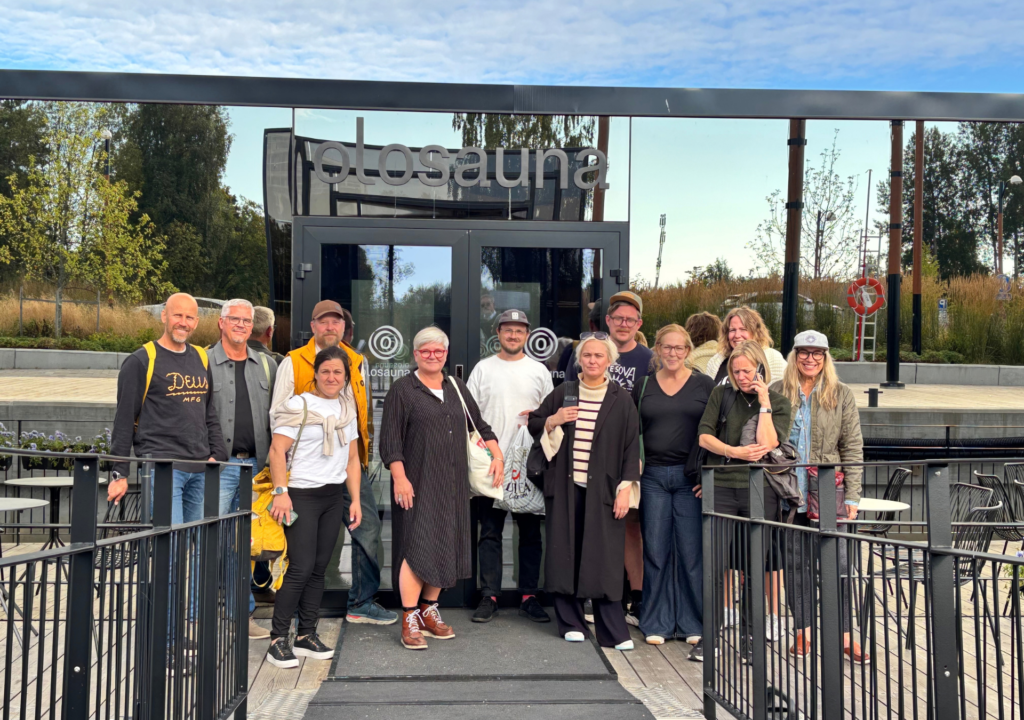
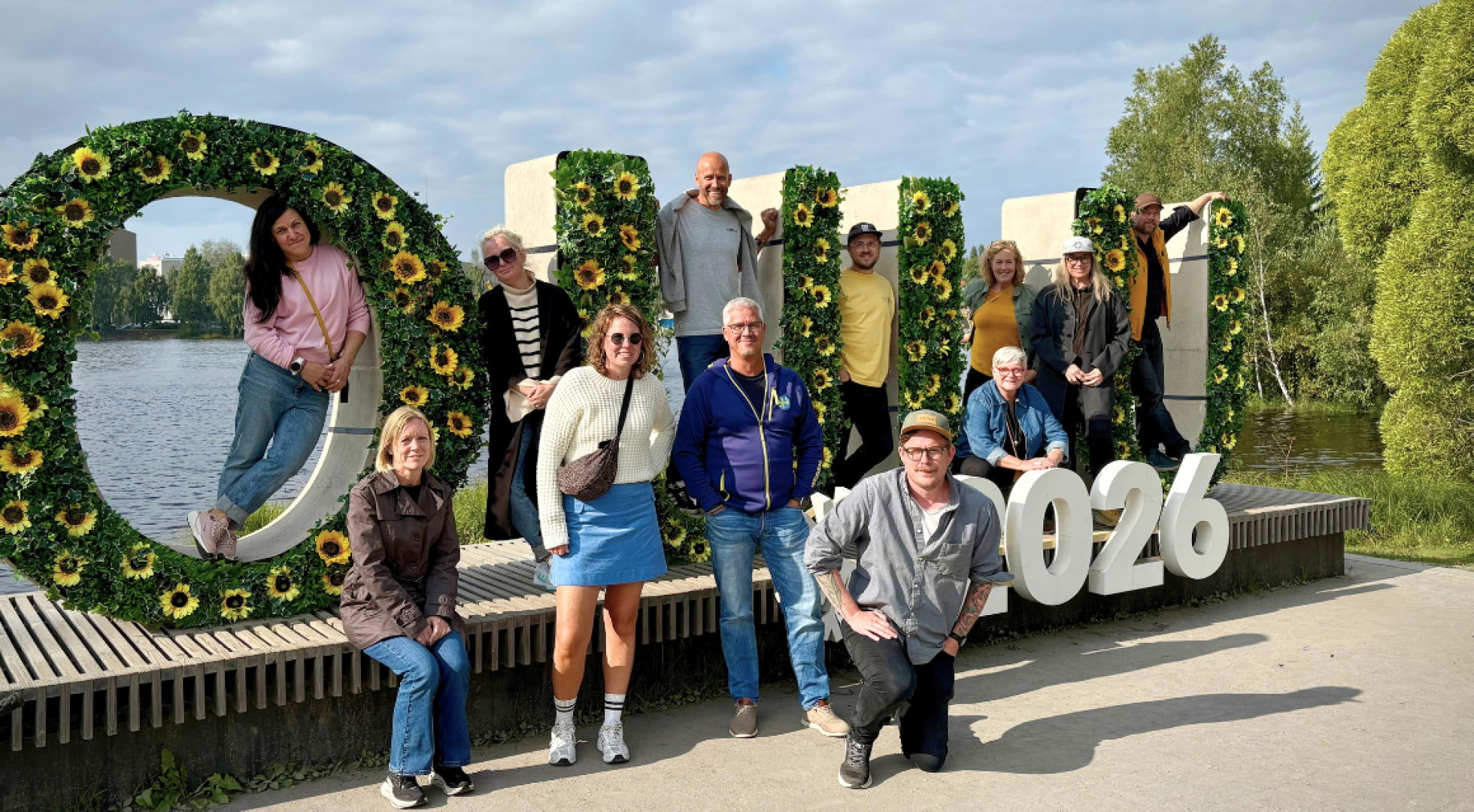
How can a European Capital of Culture year strengthen a city and an entire region as a destination? That was one of the key questions Arctic Sweden Visitors Board explored during its study trip to Oulu in August. Visit Oulu and the organisation behind Oulu2026 welcomed the group and shared their insights and lessons learned. These experiences provide inspiration ahead of Kiruna’s year as European Capital of Culture in 2029 and demonstrate how the initiative can create opportunities across Norrbotten.
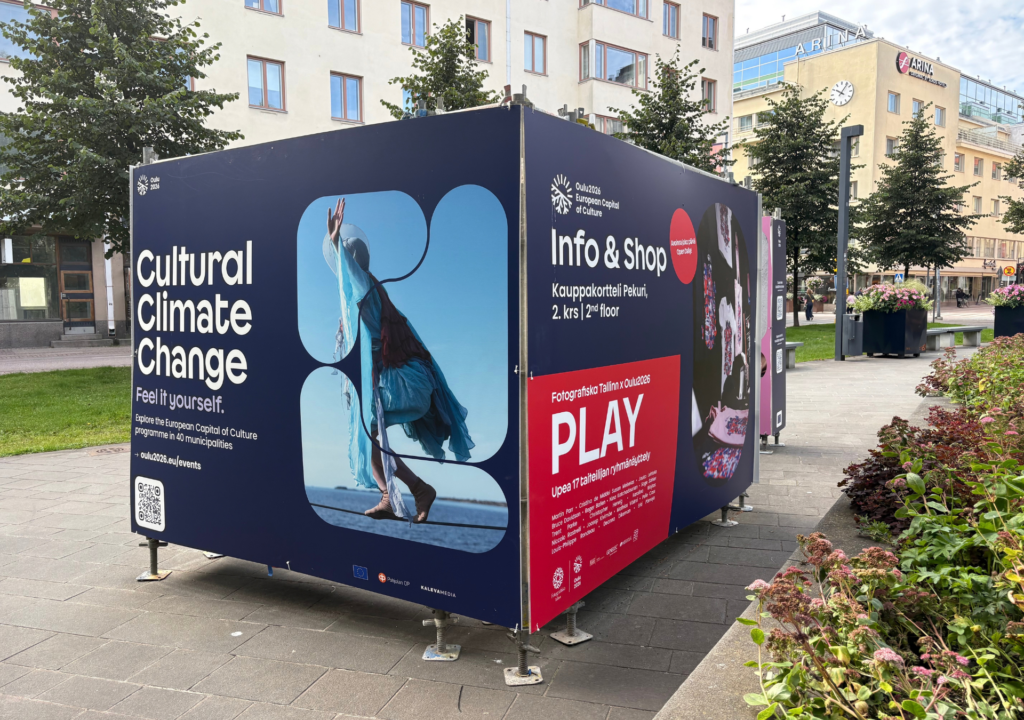
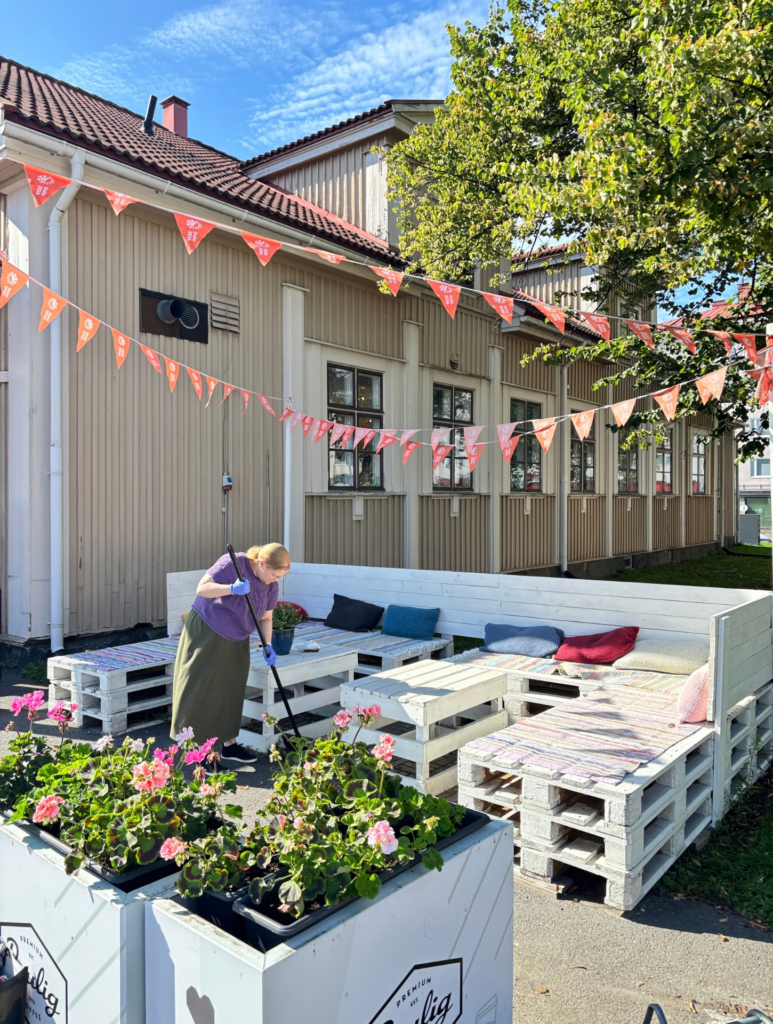
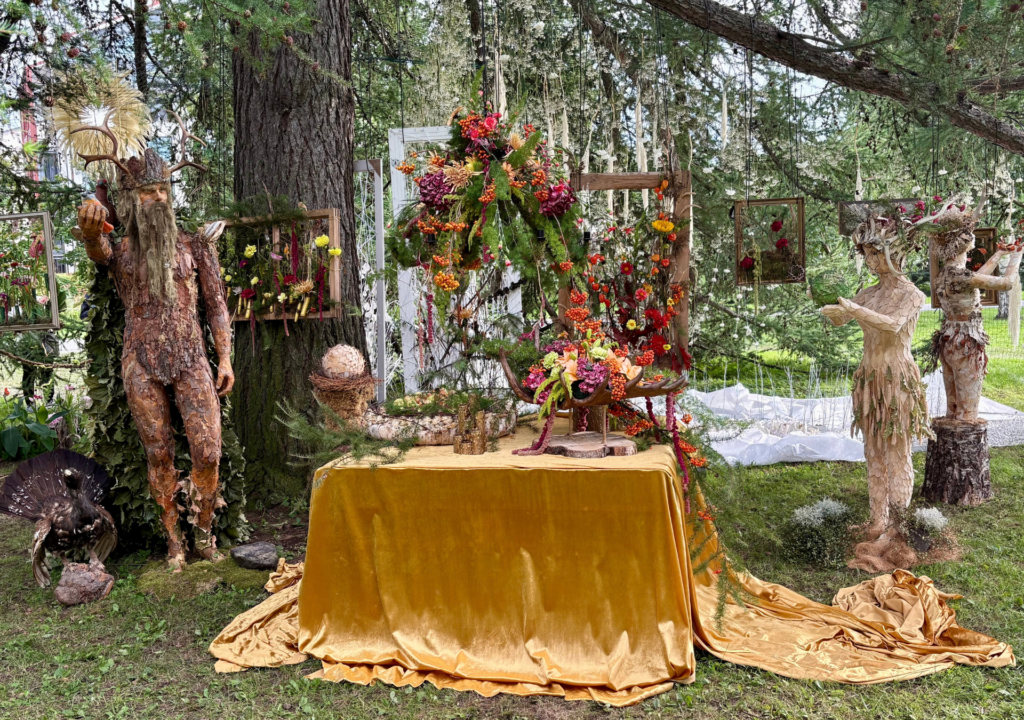
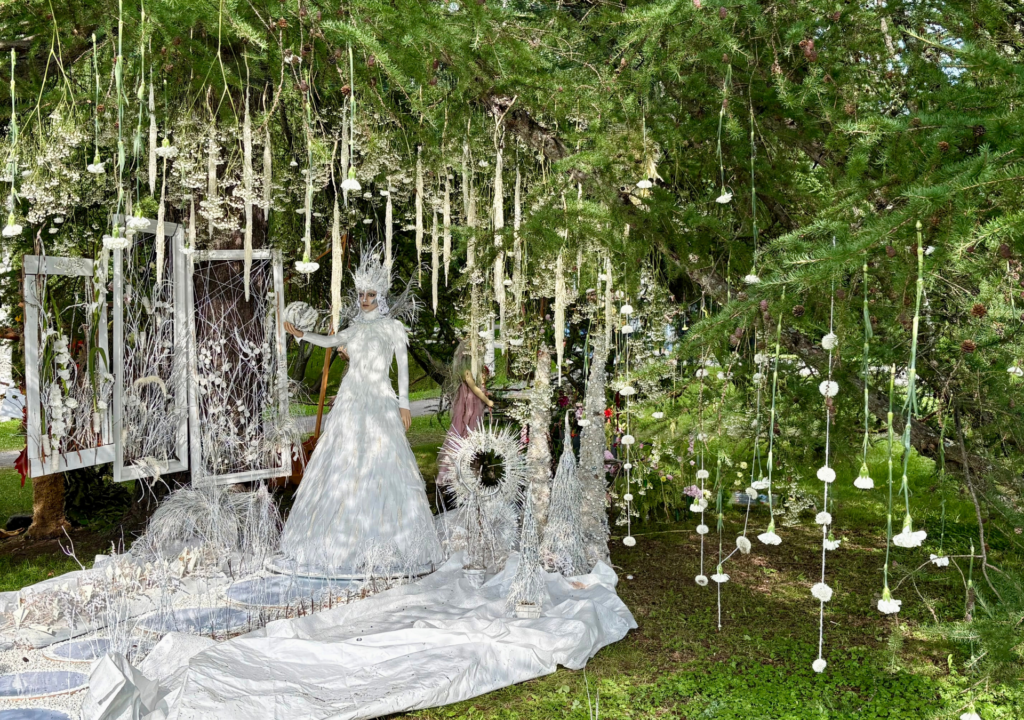
Oulu is European Capital of Culture 2026, and the initiative encompasses far more than cultural institutions and events. Culture is taking place in unexpected locations throughout the city and is being linked with nature, food, local enterprises, and the hospitality sector.
During the study trip, Arctic Sweden Visitors Board met with the Visit Oulu organisation to gain insight into the destination’s strategic work. We also met with Oulu2026 CEO Piia Rantala-Korhonen and Pasi Ruuskanen, project manager for Arctic Food Lab.
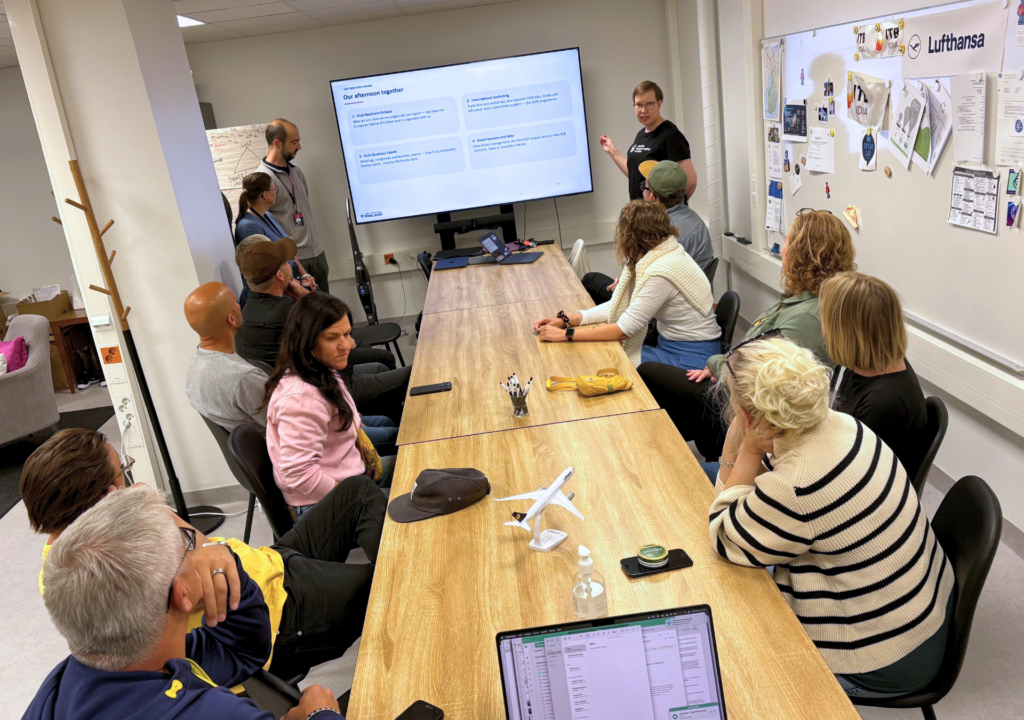
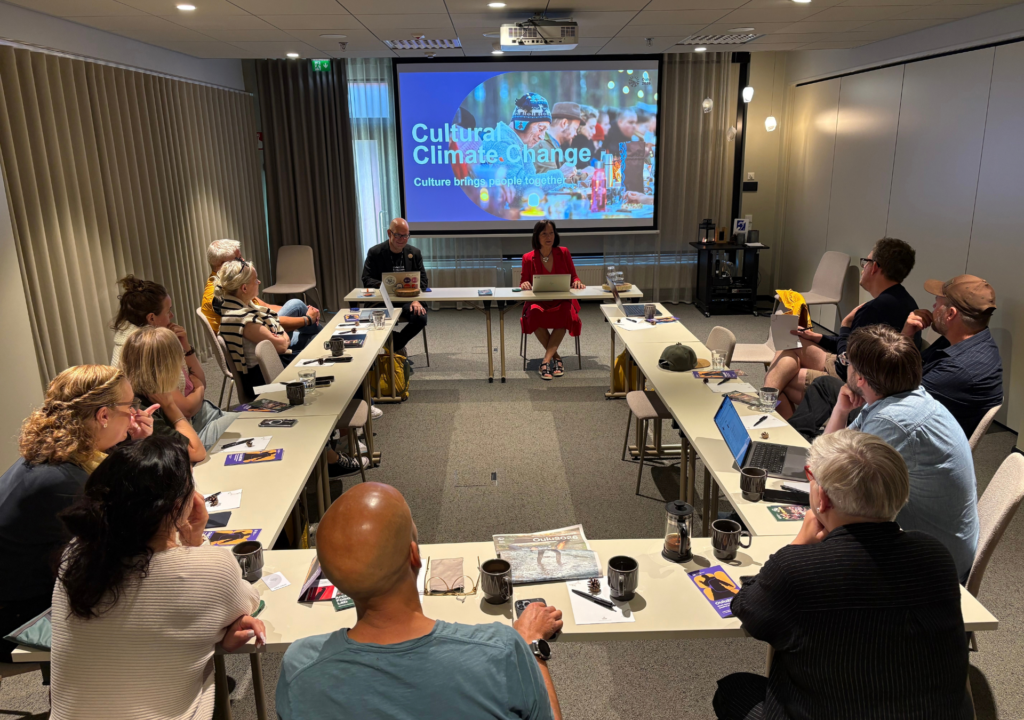
Arctic Food Lab is an example of how Oulu2026 has made local food culture an integral part of the Capital of Culture year. The initiative brings together producers, restaurants, and other culinary stakeholders around local food culture, creating experiences for both residents and international visitors.
“It is invaluable for us to see how another northern destination works with a Capital of Culture year in practice. There are many experiences here that are compelling to bring home, especially regarding how culture, place development, and the hospitality sector can reinforce one another,” says Matilda Mattsson Fröjd, Social Media Manager at Arctic Sweden Visitors Board.
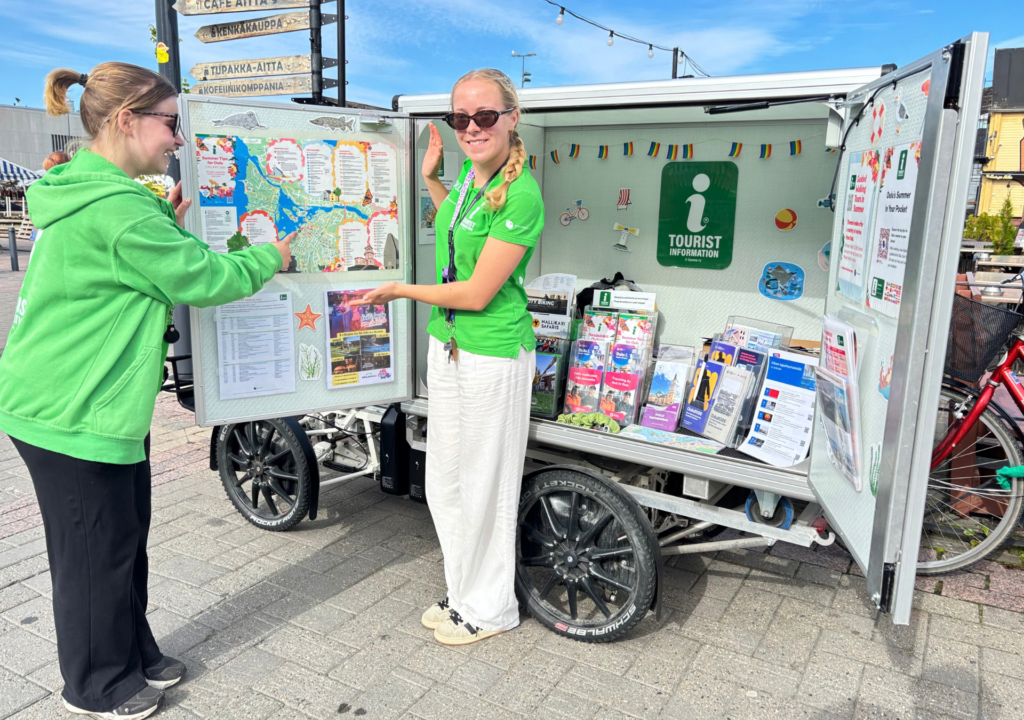
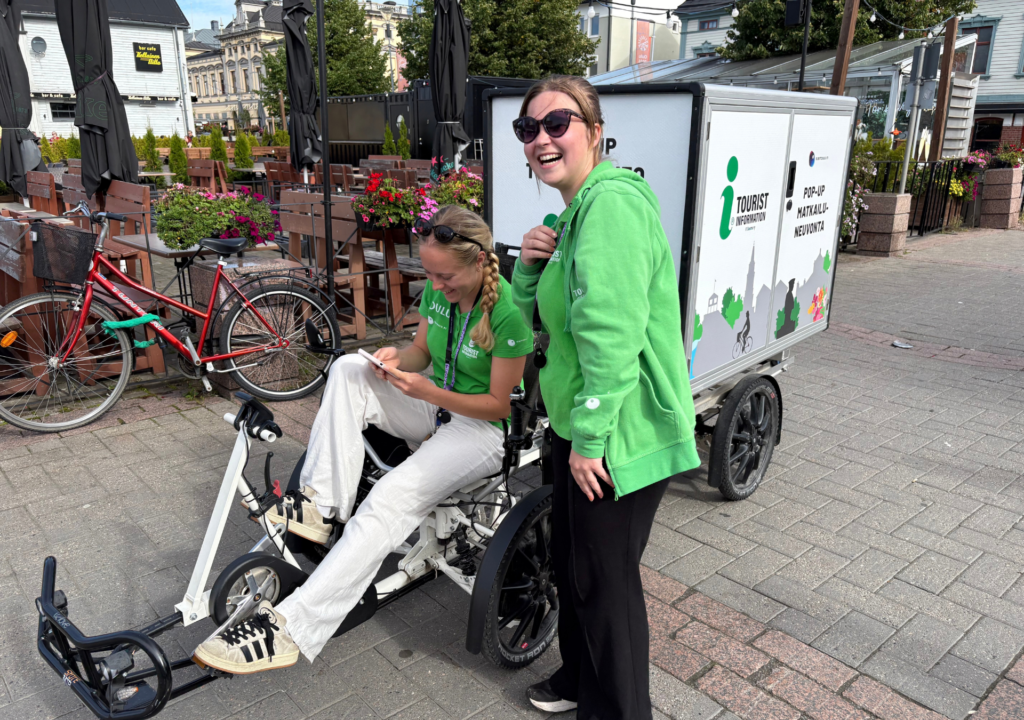
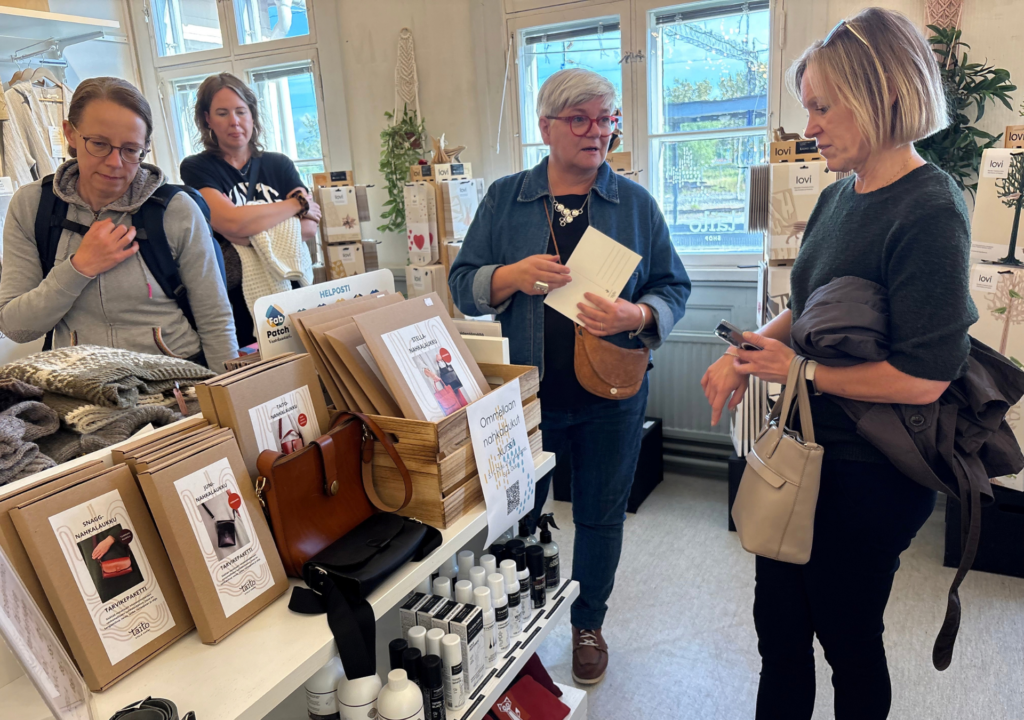
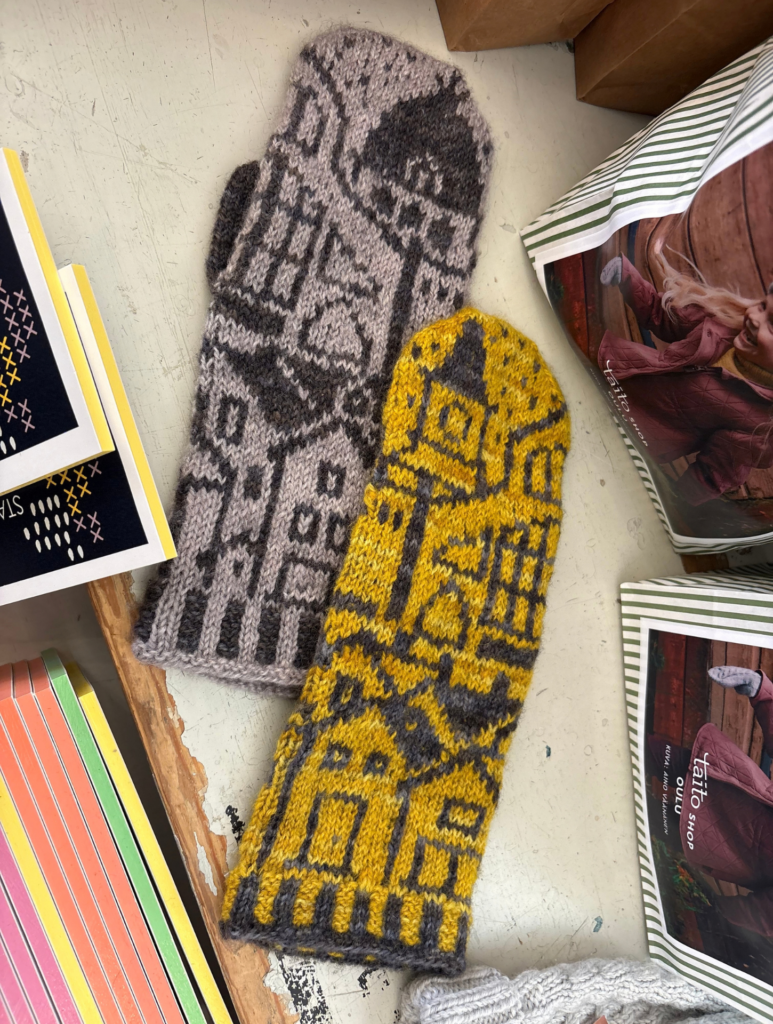
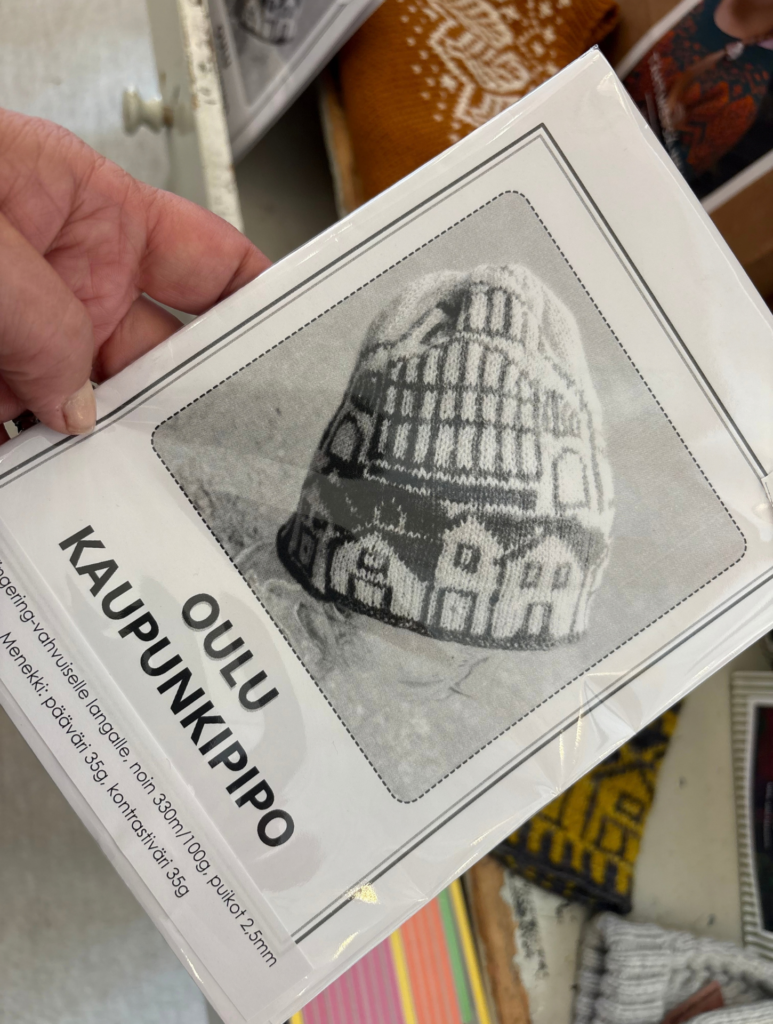
Part of the study trip was dedicated to experiencing and analysing Oulu from a visitor’s perspective. Participants explored everything from cultural experiences and public spaces to signage, communications, and local products—an opportunity to identify what works well, what is missing, and which concepts and working methods may be relevant for Arctic Sweden and Kiruna 2029.
The study visit provided new perspectives, ideas, and insights into how culture, place development, and the hospitality sector can interact synergistically during a Capital of Culture year.
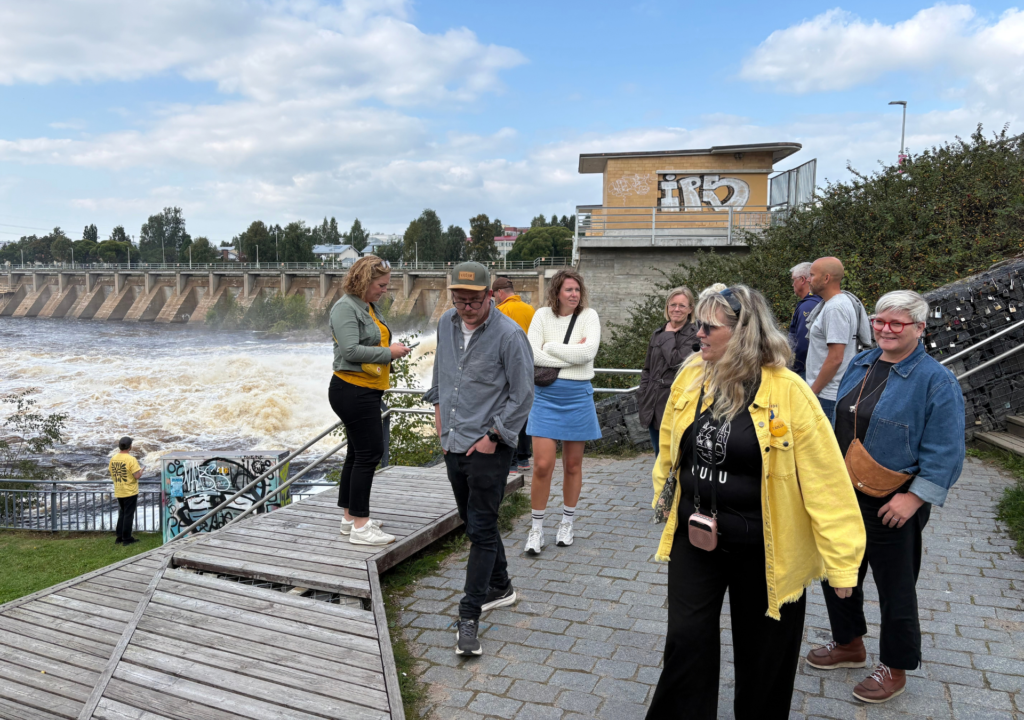
On a guided tour through Hupisaaret city park, one of many areas where the Capital of Culture year is prominently felt in Oulu. In the background, the Merikoski dam is visible, where Oulu’s industrial heritage meets today’s urban landscape.